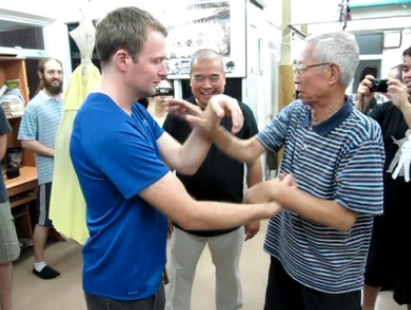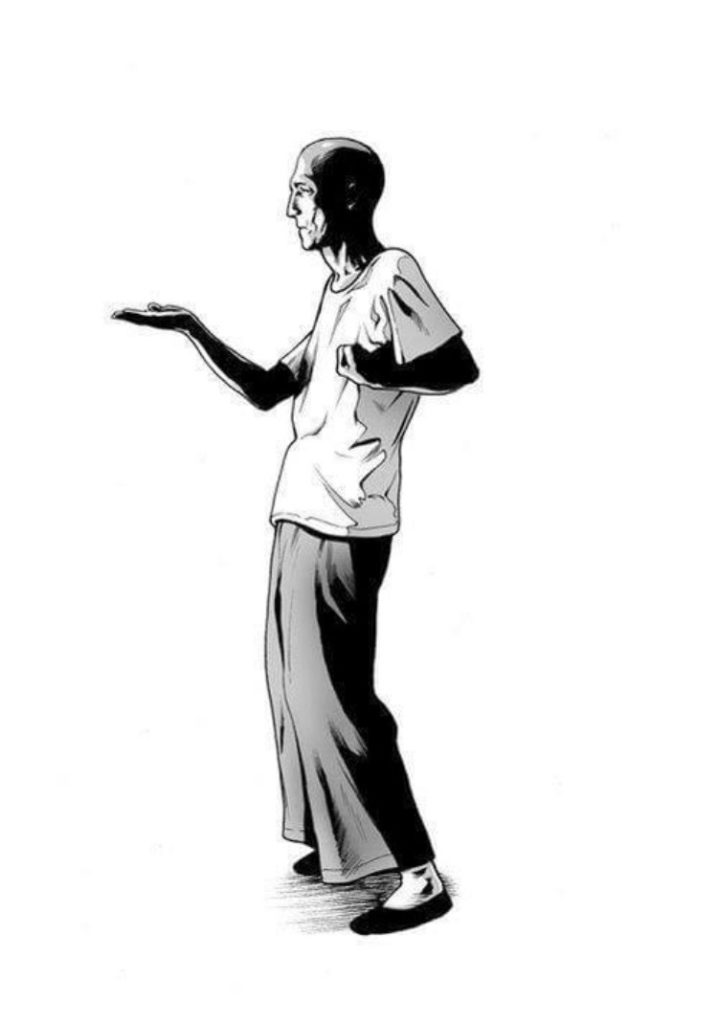
Chu Shong Tin was one of Ip Man’s most skilled students and is widely known as the “King of Siu Nim Tao.” His approach to Wing Chun focused on deep internal development, relaxation, and a profound understanding of the first form.
Early on, Chu questioned Ip Man about the meaning of Siu Nim Tao, but was simply told to “keep practising.” He persevered, focusing deeply on the first form until one day he experienced a shift in understanding — something that hadn’t been there before. After sharing this with Ip Man, he was given the name “Siu Nim Tao Wong (King of Siu Nim Tao)”, a title that has stayed with him ever since.
Who Was Chu Shong Tin?
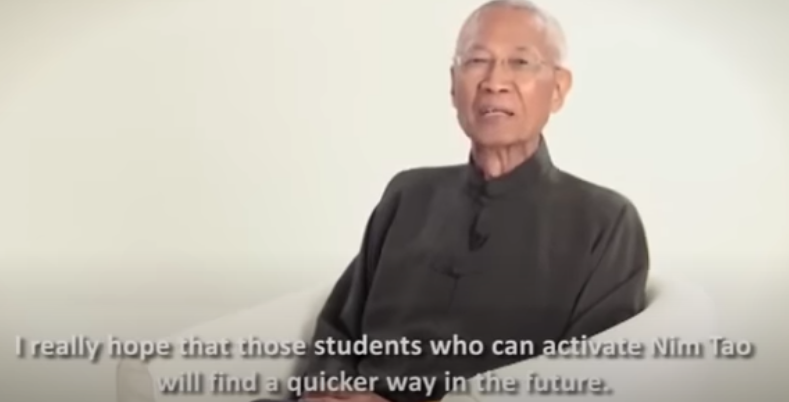
Chu Shong Tin was born in China and moved to Hong Kong in 1949. While working as a secretary at the Hong Kong and Kowloon Restaurant Workers Union, he met the famous Wing Chun master Ip Man, who was teaching there.
The two developed a close relationship, and in 1951 Chu became one of Ip Man’s earliest students — training alongside names such as Leung Sheung and Lok Yiu. He trained and taught Wing Chun continuously for over 60 years, right up until his passing in 2014.
Chu Shong Tin’s Wing Chun is known for its emphasis on internal structure, relaxation, and the correct use of the body through Siu Nim Tao. His interpretation of the art has influenced many practitioners around the world.
Why Is Chu Shong Tin Called the King of Siu Nim Tao?
The title “King of Siu Nim Tao” was given to Chu Shong Tin by Ip Man himself.
Unlike many students, Chu focused deeply on the first form, repeatedly practising it to uncover its internal mechanics. Over time, he developed a level of understanding that set him apart.
Rather than seeing Siu Nim Tao as just a beginner’s form, Chu Shong Tin treated it as the foundation of the entire Wing Chun system — a complete training method in itself.
Chu Shong Tin’s Approach to Wing Chun
Chu Shong Tin Wing Chun places a strong emphasis on:
- Relaxation and releasing unnecessary tension
- Internal development rather than external force
- Understanding structure through stillness and awareness
- Deep, focused practice of Siu Nim Tao
One of the key elements of his teaching was standing practice, where students would spend long periods developing internal connection and awareness before applying movement.
My Experience with the Chu Shong Tin Lineage
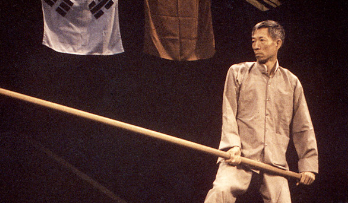
Despite having crossed paths with Chu Shong Tin at a seminar held by my Sifu in the 90s, it wasn’t until much later that I began training within a Chu Shong Tin lineage.
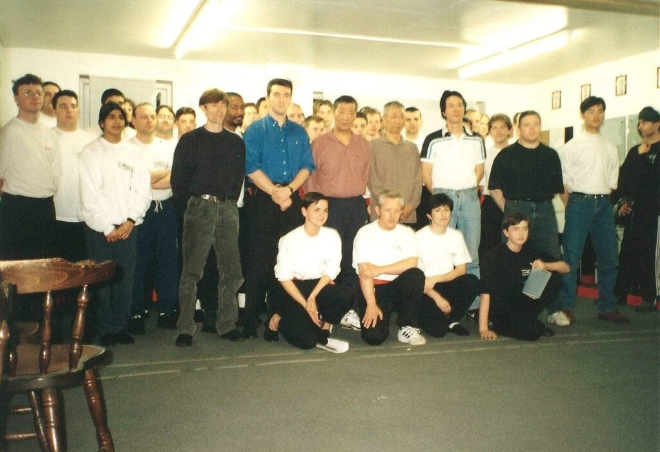
I remember seeing Chu Shong Tin standing between Sifu Samuel Kwok and Grandmaster Ip Ching in Leeds. At the time, I was already training, and I recall feeling confused by the differences in approach.
I had learned a softer, more elusive way of using bong sau — drawing in an attack — whereas what I was seeing here was more stable, structured, and direct. At the time, I didn’t fully understand it, and since the seminar was short, I went back to what I already knew.
Training in the Chu Shong Tin Lineage
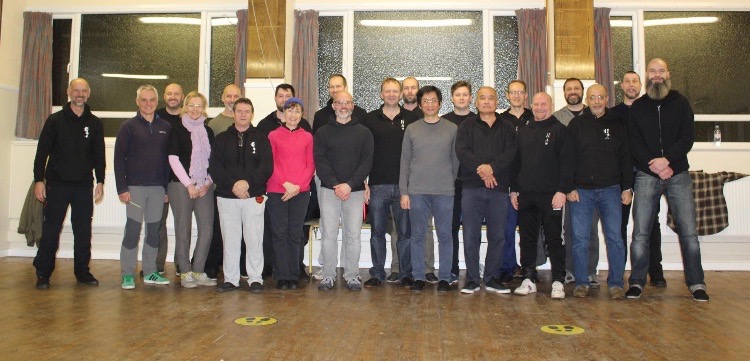
In June 2021, I contacted Daniel Parr from Sung Wing Chun in Sheffield and began training there.
Dan is a Chu Shong Tin lineage instructor with many years of experience and recognised qualifications from Hong Kong. From the beginning, I found him to be genuine, humble, and deeply knowledgeable.
What I experienced in training was both fascinating and challenging.
After more than 20 years of Wing Chun practice, I had to let go of what I thought I knew and approach things with an “empty cup.” Trying to combine my previous training with this new method only led to confusion.
In many ways, it would have been easier to start again from scratch.
Standing Practice and Internal Development
One of the most striking aspects of Chu Shong Tin’s method is the emphasis on standing practice.
Since Sheffield is about an hour from Leeds, I attended classes weekly and began practising at home to support my development.
At times, the training felt confusing — sometimes even more confusing than before — but the instructors were patient and generous with their time.
The soft power I experienced was unlike anything I had seen in over 20 years of training. That alone was enough to keep me going.
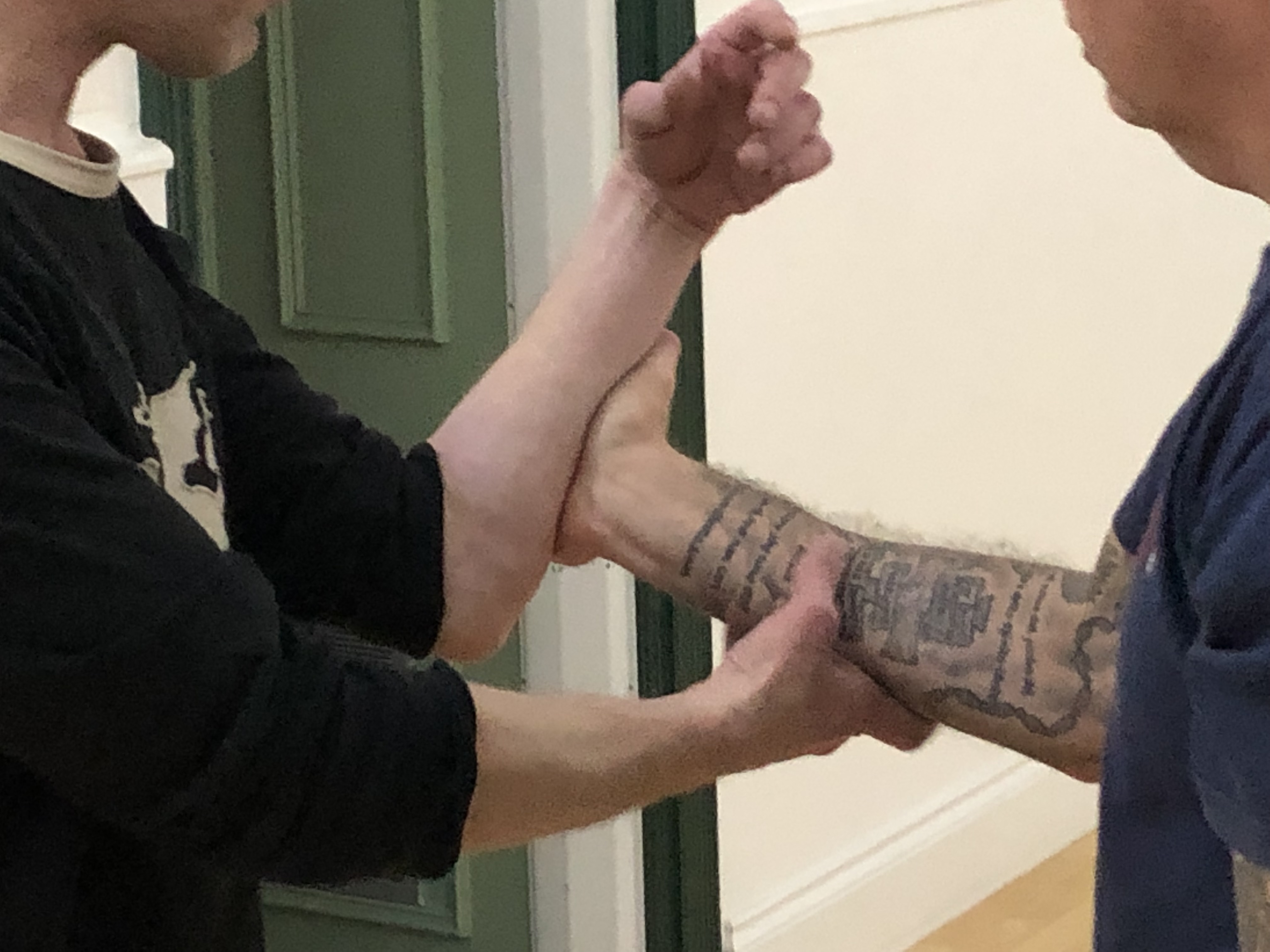
Over time, the standing practice began to make more sense. It became clear that this method wasn’t about techniques, but about developing the body in a completely different way.
A Long Road Ahead
Even now, I feel like I’m back at the beginning of the journey.
After a year and a half of training in this lineage, I’ve gained some insight — enough to realise how much more there is to learn.
It took months before I began to see even a glimpse of what was happening in the classes. So if you’re starting out, my advice is simple: stick with it.
The benefits of Wing Chun training go far beyond self-defence. You learn how to relax your body, release tension, and develop awareness — all of which have a powerful impact on both physical and mental health.
Learn Wing Chun in Leeds
If you’re interested in learning Wing Chun in Leeds and want to experience these principles for yourself, you’re welcome to get in touch or join a class.
Training is suitable for beginners and those with previous experience, and focuses on building real understanding step by step.