Is Wing Chun effective?
Yes — Wing Chun can be effective, depending on the context and how it is trained.
Wing Chun is not designed for sport competition like MMA or boxing. Instead, it is a practical self-defence systemfocused on close-range encounters, efficiency of movement, and rapid counter-attacks.
For people interested in real-world self-defence rather than competitive fighting, Wing Chun can be highly effective.
Wing Chun Effectiveness in Real Situations
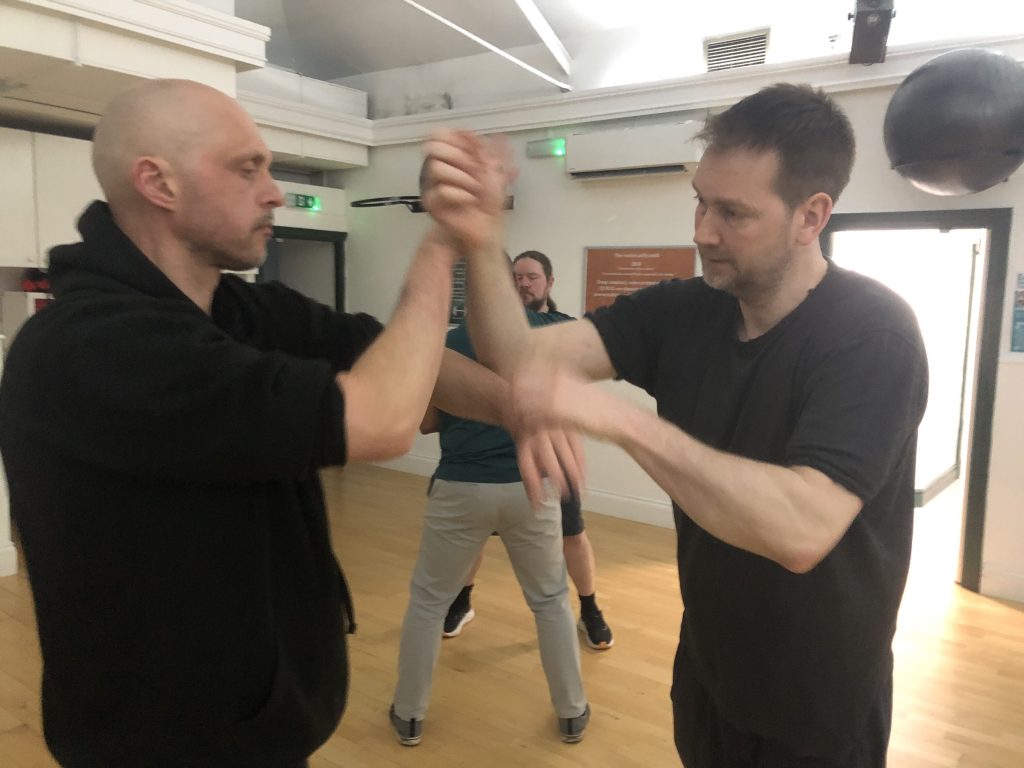
Wing Chun was developed for unpredictable, high-pressure situations, not rule-based sport environments. Its training emphasises:
- Economy of motion
- Simultaneous defence and attack
- Sensitivity and reflex development
- Maintaining balance and structure under pressure
Rather than trading blows or relying on physical strength, Wing Chun focuses on ending confrontations quickly and decisively, using timing, positioning, and structure.
Why Wing Chun Performs Poorly in Sport Fighting
Wing Chun is often criticised when judged by MMA or boxing standards — but this is largely a context mismatch.
In sporting environments:
- Gloves reduce hand sensitivity
- Many Wing Chun techniques are restricted by rules
- Clinch and trapping skills are difficult to apply
This doesn’t mean Wing Chun is ineffective — it means it was never designed for sport.
What Makes Wing Chun Effective for Self-Defence?
Wing Chun’s effectiveness comes from its principles rather than isolated techniques:
1. Simultaneous Defence and Counter-Attack
Unlike many martial arts that separate blocking and striking, Wing Chun trains both to happen at the same time.
2. Close-Range Efficiency
Most real altercations happen at close range. Wing Chun specialises in this distance.
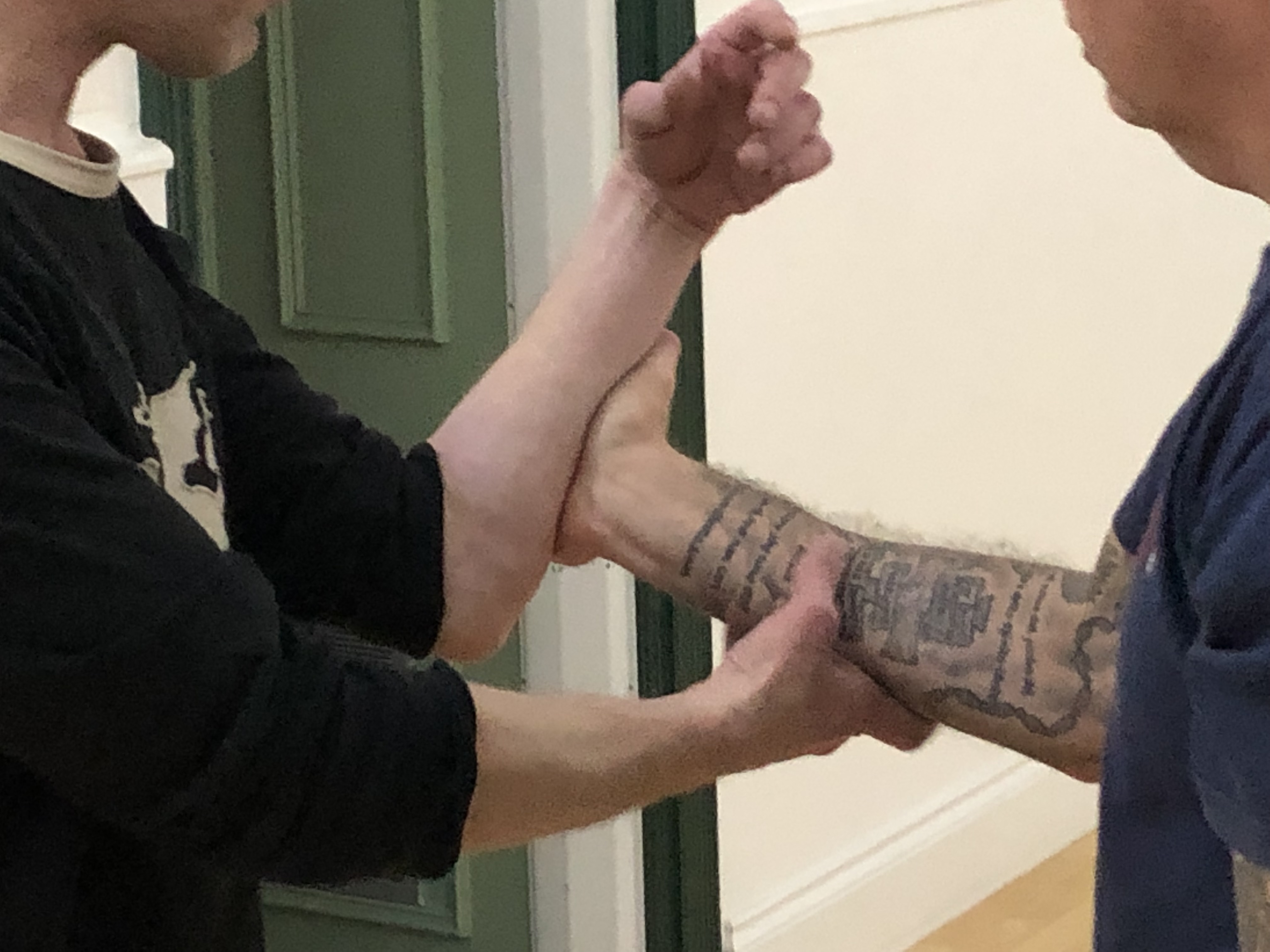
3. Reflex Training Through Chi Sau
Chi Sau (sticking hands) develops automatic responses, allowing practitioners to react under pressure without conscious thought.
Is Wing Chun Good for Older Adults?
Yes — Wing Chun is particularly suitable for adults over 30 and older beginners.
Because it:
- Avoids excessive flexibility or high kicks
- Relies on structure rather than strength
- Is trained primarily in an upright position
- Emphasises relaxation over tension
Many students come to Wing Chun later in life after training in arts such as karate or taekwondo and find it more sustainable long-term.
Does Wing Chun Have Weaknesses?
Like all martial arts, Wing Chun has limitations.
Its primary weakness is ground fighting, which is why good Wing Chun training emphasises:
- Balance
- Structure
- Avoiding being taken down
No martial art guarantees safety in every situation — effectiveness depends on training quality, awareness, and realistic practice.
The Importance of Quality Instruction
Wing Chun’s reputation has suffered due to inconsistent teaching standards.
Like any martial art, Wing Chun is only as effective as the instructor and training method.
Authentic Wing Chun emphasises:
- Principle-based training
- Pressure testing
- Progressive skill development
- Clear lineage and teaching experience
This approach traces back to Ip Man, whose teaching focused on simplicity, efficiency, and practicality.
Final Verdict
Wing Chun is not a sport fighting system, but it is an effective martial art for:
- Practical self-defence
- Adults and older beginners
- Those seeking efficiency over athleticism
- Close-range personal protection
When trained correctly, Wing Chun offers a calm, structured, and realistic approach to self-defence that prioritises awareness, balance, and rapid response.
Want to Experience Wing Chun for Yourself?
The best way to understand whether Wing Chun is effective is to experience it first-hand.
Learn more about our classes here.